欧博百家乐Meiji Shrine (Meiji Jingu)
Meiji Shrine (–¾Ž¡�_‹{, Meiji Jingū) is a shrine dedicated to the deified spirits of Emperor Meiji and his consort, Empress Shoken. Located just beside the JR Yamanote Line's busy Harajuku Station, Meiji Shrine and the adjacent Yoyogi Park make up a large forested area within the densely built-up city and offer walking paths for a relaxing stroll away from the concrete.
The shrine was completed and dedicated to the Emperor Meiji and the Empress Shoken in 1920, eight years after the passing of the emperor and six years after the passing of the empress. The shrine was destroyed during the war but was rebuilt shortly thereafter.
Emperor Meiji was the first emperor of modern Japan. He was born in 1852 and ascended to the throne in 1867 at the peak of the Meiji Restoration when Japan's feudal era came to an end and the emperor was restored to power. During the Meiji Period, Japan modernized herself to join the world's major powers by the time Emperor Meiji passed away in 1912.
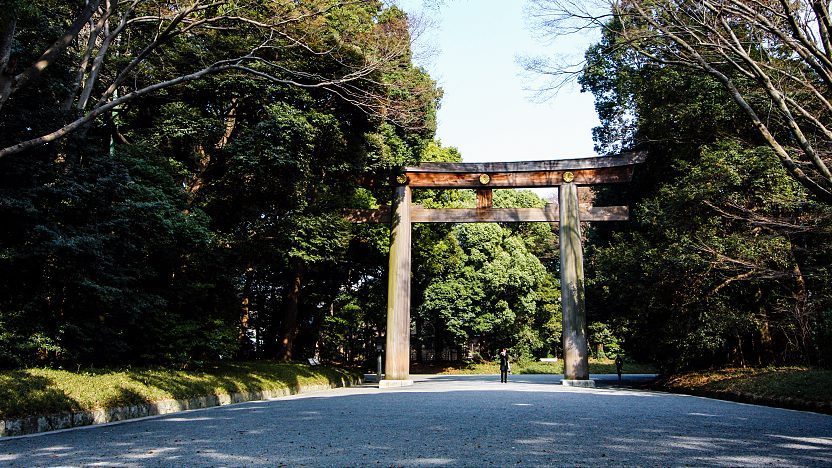
The main complex of shrine buildings is located a ten minute walk from both the southern entrance near Harajuku Station and the northern entrance near Yoyogi Station. Entry into the shrine grounds is marked by a massive torii gate, after which the sights and sounds of the busy city are replaced by a tranquil forest. The approximately 100,000 trees that make up Meiji Jingu's forest were planted during the shrine's construction and were donated from regions across the entire country.
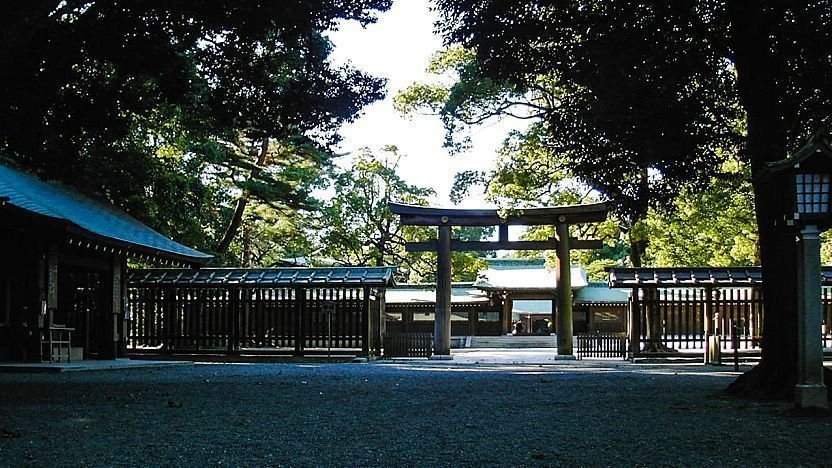
At the middle of the forest, Meiji Jingu's buildings also have an air of tranquility distinct from the surrounding city. Visitors can take part in typical Shinto activities, such as making offerings at the main hall, buying charms and amulets or writing out one's wish on an ema.
Meiji Jingu is one of Japan's most popular shrines. In the first days of the New Year, the shrine regularly welcomes more than three million visitors for the year's first prayers (hatsumode), more than any other shrine or temple in the country. During the rest of the year, traditional Shinto weddings can often be seen taking place there.
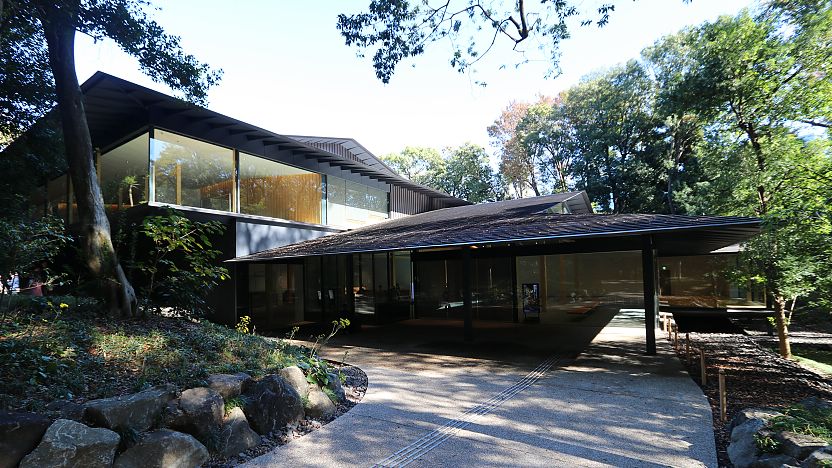
Not far from the Harajuku shrine entrance along the approach to the shrine buildings stands the Meiji Jingu Museum, which was newly opened in 2019. Elegantly designed by star architect Kuma Kengo, the museum displays treasures from the shrine's collection, including interesting personal belongings of the emperor and empress and the carriage which the emperor rode to the formal declaration of the Meiji Constitution in 1889.
A large area of the southern section of the shrine grounds is taken up by the Inner Garden, which requires an entrance fee to enter. The garden becomes particularly popular in mid June when many irises are in bloom. A small well, Kiyomasa's Well, is located in the garden and named after the military commander who dug it around 400 years ago. The well had been visited by the emperor and has become a popular spiritual "power spot".