欧博abgTop 10 facts about polar bears

© naturepl.com / Steven Kazlowski / WWF
Top 10 facts about polar bears
Adopt a polar bear
More animal facts
Tracking polar bears
© Florian Schulz / visionsofthewild.com
1. Polar bears are classified as marine mammals
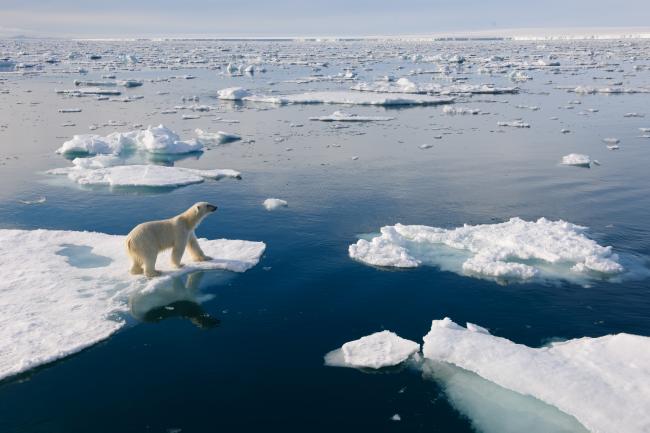
Because they spend most of their lives on the sea ice of the Arctic Ocean depending on the ocean for their food and habitat, polar bears are the only bear species to be considered marine mammals.
© Jon Aars / Norwegian Polar Institute / WWF-Canon
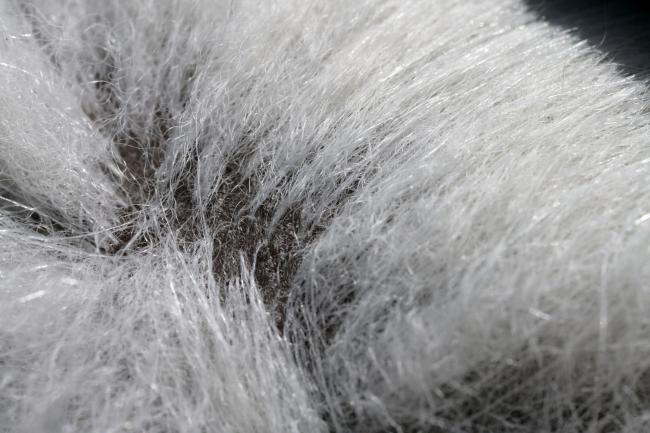
2. A polar bear skin is actually black
Beneath all that thick fur, polar bears have jet black skin. The polar bear’s fur is also translucent, and only appears white because it reflects visible light.
© naturepl.com / Steven Kazlowski / WWF
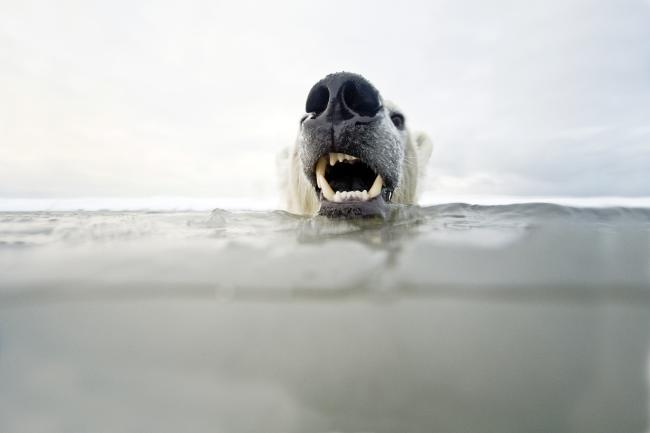
3. They can swim constantly for days at a time
As well as reaching speeds of up to 6mph in the water, polar bears can swim for long distances and steadily for many hours to get from one piece of ice to another. Their large paws are specially adapted for swimming, which they’ll use to paddle through the water while holding their hind legs flat like a rudder.
© Steve Morello / WWF
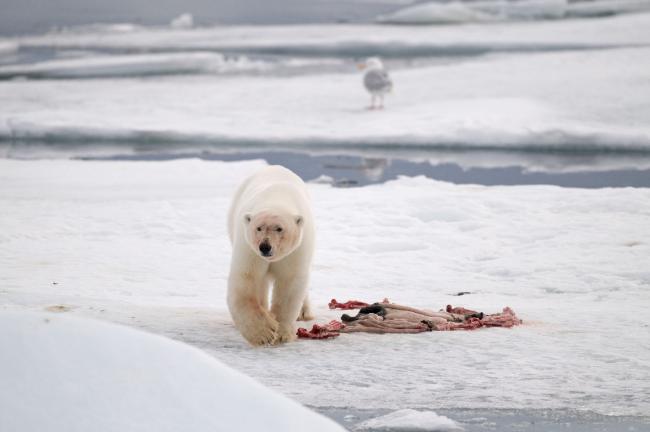
4. Less than 2% of polar bear hunts are successful
Although about half of a polar bear’s life is spent hunting for food, their hunts are rarely successful. A polar bear’s main prey consists of ringed seals and bearded seals, which they hunt in a variety of ways. Either by breaking into pupping dens, waiting at breathing holes or at the water’s edge, or stalking seals that have hauled out to rest on the ice. Besides catching seals, polar bears will also scavenge carcasses or settle for small mammals, birds, eggs and vegetation.
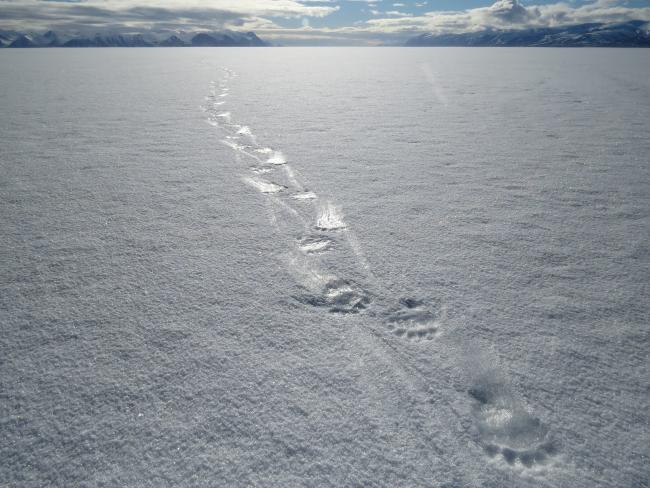
5. Scientists can extract polar bear DNA from just their footprints
This project, which has been several years in the making by WWF and MIX Research focuses on sampling polar bear footprints by scraping snow from polar bear tracks, to extract environmental DNA (eDNA) and gain valuable insights for conservation efforts. By examining the eDNA in the footprints, they were able to figure out the bear’s diet.
6. They face more threats than climate change
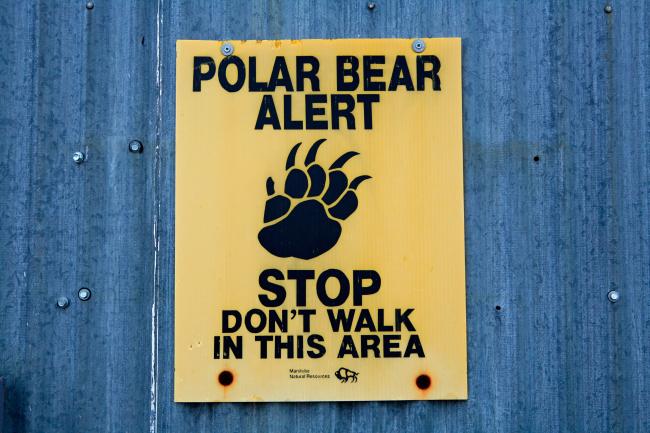
While climate change remains the greatest threat to the polar bear’s survival, that is not all that the predator is up against. The oil and gas industry is turning its eyes to the arctic, and with it comes the potential risks of habitat destruction from oil exploration work. Contact with oil spills can reduce the insulating effect of a bear’s fur requiring them to use more energy to get warm, and can poison them if ingested. Polar bears can also be exposed to toxic chemicals such as pesticides through their prey, which can affect a bear's biological functioning and ability to reproduce.
Melting sea ice from climate change has increased human-polar bear conflicts when hungry polar bears go searching for food in the summer. Fortunately, people are learning to adapt to the polar bear's presence and take preventative measures to reduce the risk of conflict. Learn more about the threats to polar bears and how we are working to solve them.
© Klein & Hubert / WWF
7. Grizzly-polar bear hybrids exist
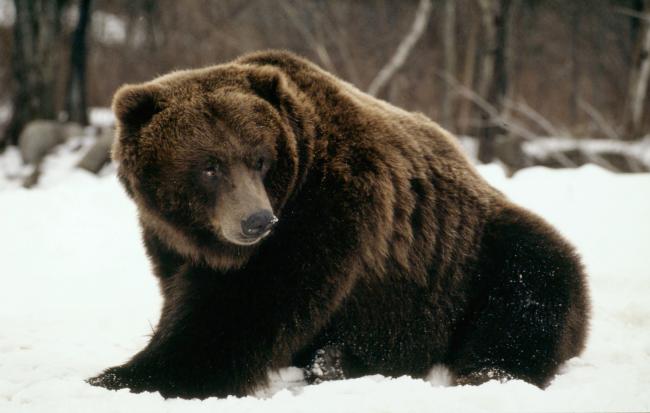
As recently as 2006 genetic testing confirmed the existence of polar bear-grizzly bear hybrids, also known as ‘grolar bear’ or ‘pizzly bear’. The hybrid bear physically resembles an intermediate between the two species, but as wild hybrids are usually birthed from polar bear mothers they are raised and behave like polar bears. The ability for polar bears and grizzly bears to interbreed is unsurprising when you consider that polar bears evolved from brown bears as recently as 150,000 years ago!

© Peter Ewins / WWF-Canada
8. At birth polar bear cubs weigh around 700g
Polar bear milk has a high fat content which allows the cubs to increase their weight 15-fold from birth to when they emerge from the den.
© Steve Morello / WWF
9. Male polar bears can weigh as much as 10 men
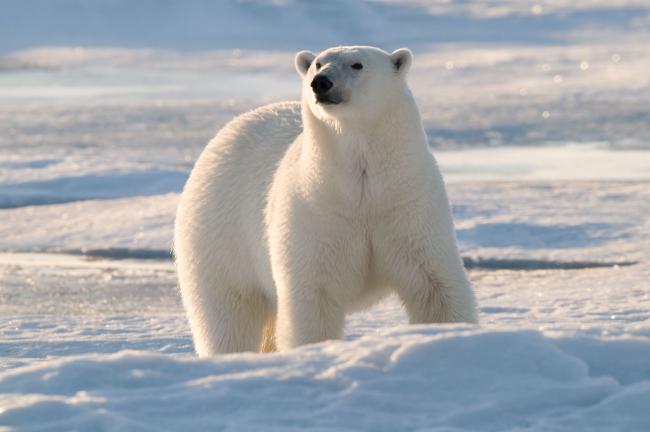
Male polar bears can weigh up to 800kg, and are twice the size of females. Polar bears can also grow up to 3 metres long, making them the largest bear species and the largest land carnivore in the world.
© WWF-US / Elisabeth Kruger
10. They can smell their prey up to 32km away
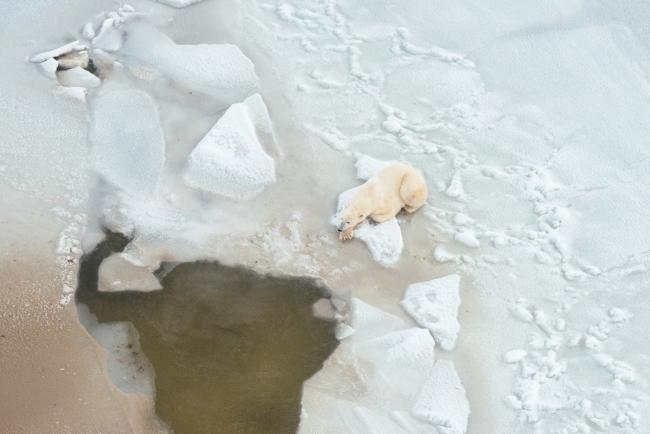
Polar bears have a very strong sense of smell. They can smell their prey up to 32km away, and can likely smell seals underneath compacted snow or ice from 1km away.
WWF's work
WWF is working with researchers to track polar bears in the Arctic to understand the impact that climate change and other threats are having on them as well as helping to monitor their health.
We’re also advocating for governments to recognise and mitigate the effects of a changing Arctic on these bears.
Adopt a polar bear

© Andy Robert Davies
Go Wild - WWF'S club for kids
There’s loads to discover, from fun facts, puzzles and quizzes to cool crafts and crazy critter clips.
Check it out
We also recommend: